 |
Unveiling the Personality, Complex Biology, and Urgent Conservation Needs of the Family Cacatuidae |

The Cockatoo: A Marvel of Intelligence and Sociality
 Personality and Care: A Demanding Yet Rewarding Companion
 Regarding Care Requirements, Cockatoos need a spacious cage or aviary that allows them ample room to climb, spread their wings, and exercise. Their diet must be rich and varied, consisting of high-quality seeds, fresh fruits, and vegetables to ensure they receive all necessary nutrients. Regular exercise outside their cage is also essential for both their physical and mental health. Furthermore, they need to be socialized with other birds or humans to prevent isolation and stress, as their social nature makes loneliness particularly challenging for them. Understanding these needs is fundamental to responsible Avian Biology and pet ownership.
Diverse Types of Cockatoo: Exploring the Family Cacatuidae

Some of the most famous and beloved Cockatoo species include:
- Sulphur-crested Cockatoo: Widely recognized for its striking white feathers and prominent yellow crest.
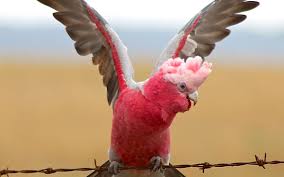
- Pink Galah: Known for its beautiful pink and grey plumage.
- Major Mitchell’s Cockatoo: Distinguished by its elaborate pink and white crest with yellow and orange banding.
- Yellow-crested Cockatoo: Similar to the Sulphur-crested but with a distinct yellow crest.
- Red-tailed Black Cockatoo: A magnificent, large black parrot with bright red tail feathers, known for its loud, unique Cockatoo sound.
 Each Cockatoo species has its own unique characteristics, but all share the common traits of high intelligence and social dependency. The Cockatoo head feature, the crest, is an iconic visual cue, signaling their mood from excitement to alarm. The White Cockatoo, in particular, with its pure white plumage and large crest, is a prime example of the beauty and expressiveness found within the genus. The Cockatoo price varies significantly depending on the species, age, and breeder, reflecting their desirability and specific care needs.
Habitat and Adaptations: Where Do Cockatoos Live?
Where do cockatoos live? These adaptable birds thrive in diverse Bird Habitats & Adaptations, ranging from dense rainforests and open woodlands to semi-arid regions. Their resilience also allows them to adapt to urban and suburban areas, where they are often seen foraging in parks and gardens. Their specialized beaks are perfectly adapted for cracking tough nuts and seeds, which form a significant part of their diet.

The Science of Birds: Reproduction, Lifespan, and Ecological Role
Delving into Avian Biology, Cockatoos are typically monogamous, forming lifelong bonds with their mates. They typically lay 1-3 eggs in tree hollows, with both parents diligently participating in the incubation and raising of their young, a testament to their strong social structures. These Birds boast impressive lifespans, often living over 50 years in captivity and around 40 years in the wild, depending on environmental conditions. This longevity underscores the significant commitment required for their care as pets.

The State of Species: A Plea for Their Safeguard
While some Cockatoo species, such as the Sulphur-crested Cockatoo, are relatively common and widespread, others face dire threats. What is the conservation status of the cockatoo? Species like the White Cockatoo (Cacatua alba) are considered endangered or vulnerable due to escalating habitat loss, primarily from deforestation, and the persistent illegal cage bird trade. The demand for exotic pets fuels poaching, further depleting wild populations.
 Several organizations worldwide are dedicated to Bird Conservation & Protection for these species, working on conservation programs, habitat restoration, and raising public awareness about the illegal pet trade. Understanding the Mysteries of Birds includes recognizing the threats they face and actively participating in their protection. The Cockatoo's story serves as a poignant reminder of the impact human activities have on The Avian Kingdom and the critical need for sustainable practices. Protecting their habitats and combating illegal trade are crucial steps in ensuring that these intelligent and beloved parrots continue to thrive in their natural environments.
Final Thoughts: The Enduring Legacy of the Cockatoo
The Cockatoo is a truly remarkable creature, embodying intelligence, resilience, and profound social instincts. From their distinct Cockatoo sound to their playful antics, they continue to fascinate Bird Lovers and Wildlife Enthusiasts worldwide. Their journey from wild Feathered Creatures in Bird Habitats & Adaptations to beloved companions highlights their adaptability and the deep connections they can form with humans. As we continue to explore Birdlife Chronicles and the wonders of Avian Biology, the Cockatoo's story reminds us of the delicate balance within The Avian Kingdom and our responsibility in Avian Conservation & Protection. By supporting ethical practices and conservation efforts, we can help ensure that these magnificent birds, with their unique Cockatoo head features and endearing personalities, continue to inspire awe and contribute to the rich tapestry of Avian Biodiversity for generations to come.

